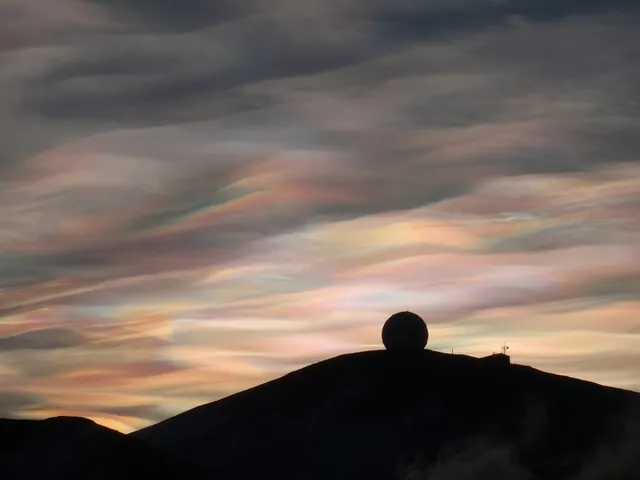
General News
The Ozone Hole Got Bigger This Year. Why It's Still Healing
The 2026 Antarctic ozone hole is the biggest in a decade by area, yet far shallower than past records. How the polar vortex and chlorine explain it. Read More ›
Read the complete collection of source-backed explainers about AI systems, digital security, technology policy, and practical technology.
The 2026 Antarctic ozone hole is the biggest in a decade by area, yet far shallower than past records. How the polar vortex and chlorine explain it. Read More ›
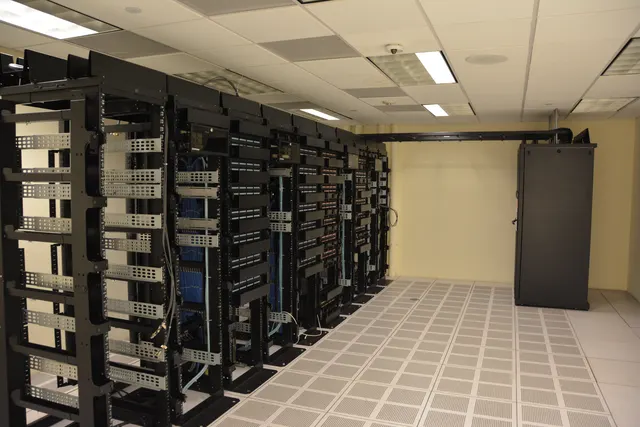
Export rules track physical chips, not remote access. How the cloud loophole works, what Commerce may close this month, and why a fix is hard to enforce. Read More ›
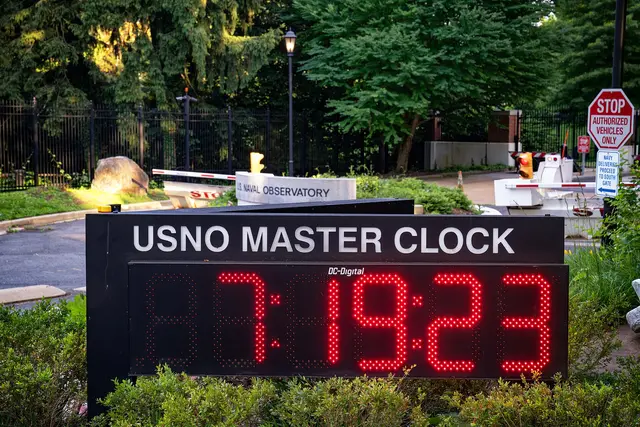
Since 1972, 27 leap seconds have kept UTC in step with Earth's spin. A 2026 decision ends them: what changes from 2027, and why. Read More ›
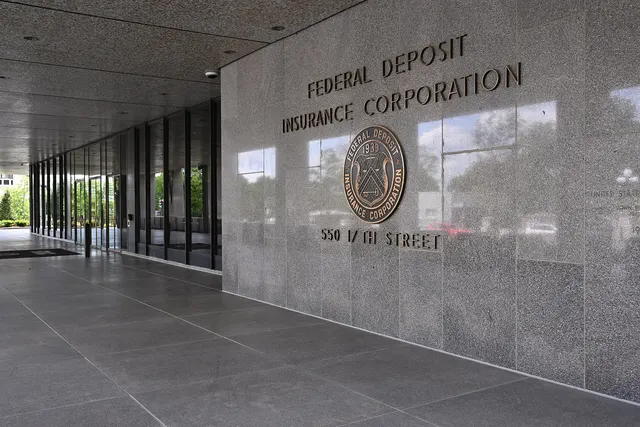
When a bank fails, US insurance covers $250,000 per depositor per category and Canada's covers $100,000. Here is what is and isn't protected. Read More ›
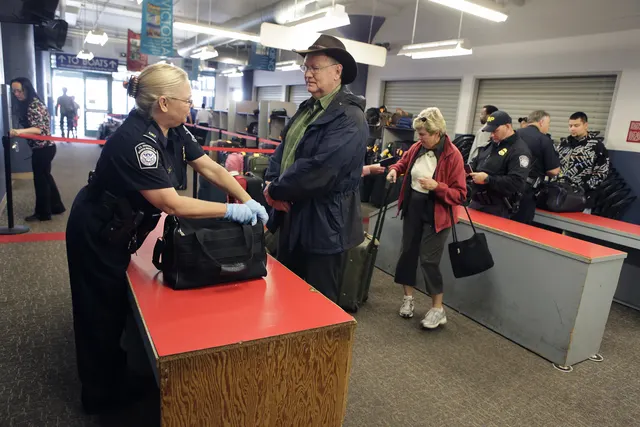
Crossing a border with a criminal record doesn't always mean automatic refusal, but the rules vary sharply by destination and its legal standards. Read More ›
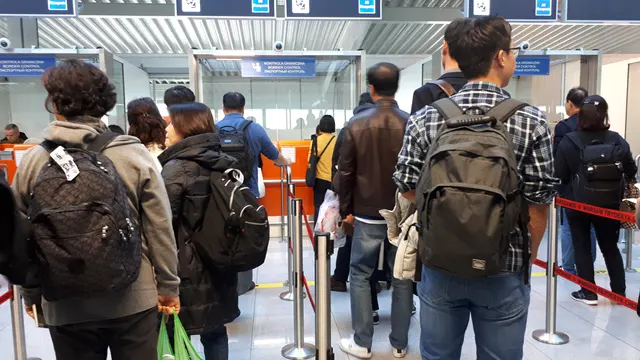
An ESTA or eTA denial doesn't mean a trip is off, but reapplying without understanding why usually produces a second denial. How refusals work. Read More ›
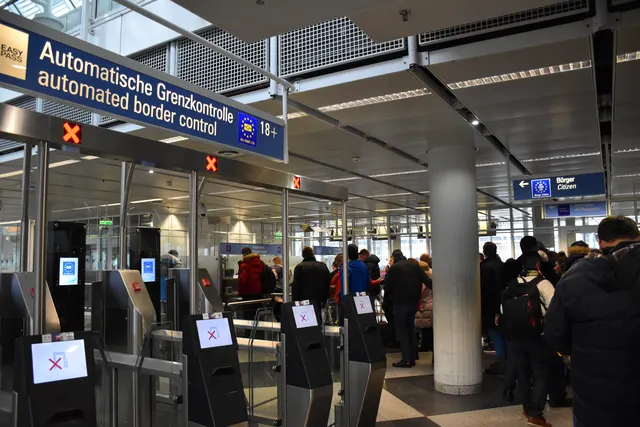
A growing number of countries sit between 'visa required' and 'no paperwork at all.' How ESTA, eTA, ETIAS and similar systems actually work. Read More ›
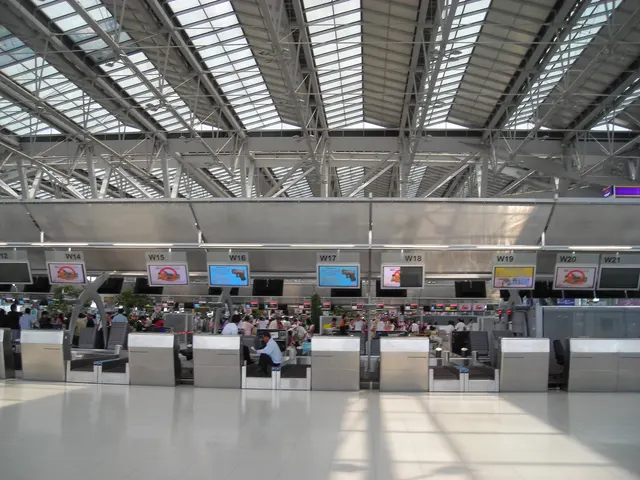
Every child needs their own passport, and many countries expect a signed consent letter when a child isn't traveling with both parents. Read More ›
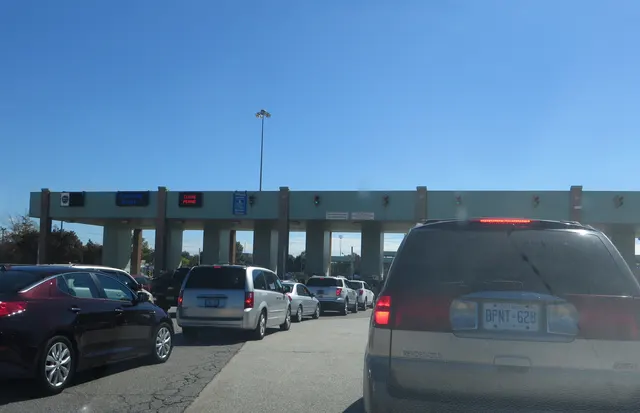
What Canada's eTA is, who needs one, what it costs through the official government channel, and what a paid application-assistance service actually adds for that fee. Read More ›
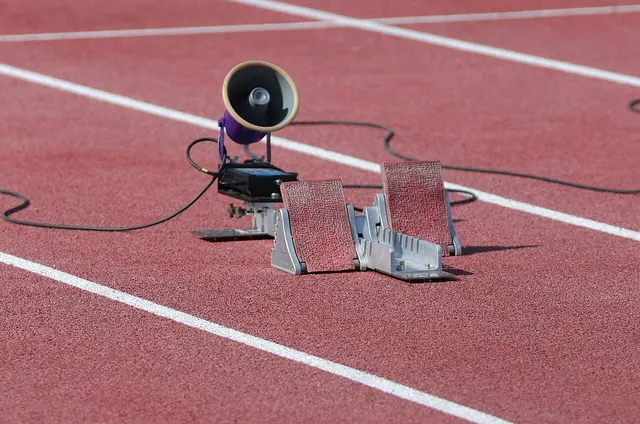
A sprinter who moves less than 0.1 second after the gun is out. Where that number came from, and how the one-false-start rule works. Read More ›

A look at the contract mechanics behind celebrity brand deals, from flat fees and revenue share to equity stakes, plus the disclosure rules that govern them. Read More ›
A step-by-step look at how central bank interest rate moves work through banks and loan types before showing up in a household's mortgage payment. Read More ›
A look at the due diligence, market-maker deals and liquidity mechanics behind exchange listings, and why a listing changes a token's trading conditions. Read More ›
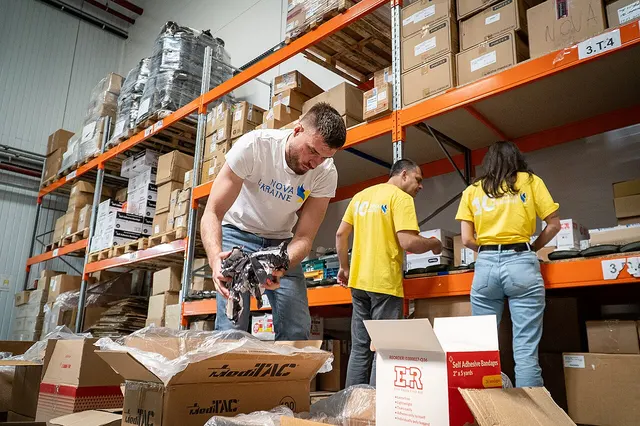
An explainer on the pooled funds, coordination bodies, and implementing agencies that move humanitarian aid from donor pledges to affected communities. Read More ›
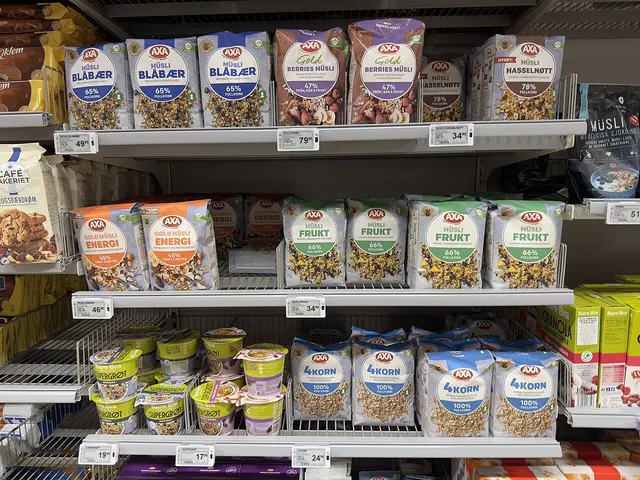
Most US food recalls are voluntary. See who starts one, how the FDA sorts danger into Class I, II or III, and how products are traced. Read More ›
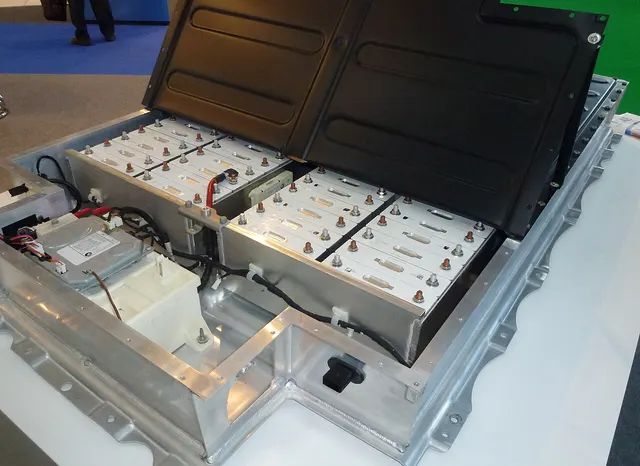
Recycling plants discharge, shred and process lithium-ion batteries into black mass. See how metals are recovered and why fires start. Read More ›
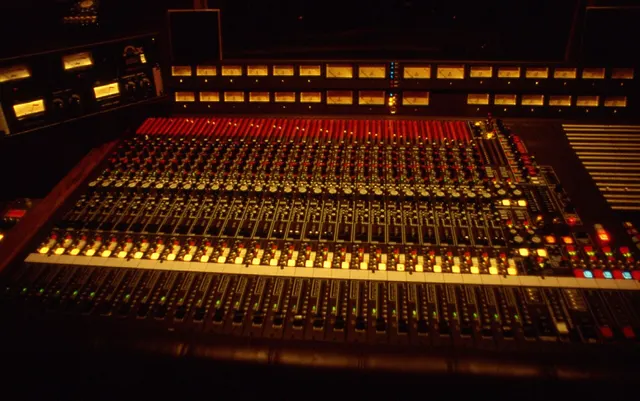
Every stream pays at least two parties and often four: songwriter, publisher, artist and label. See how two copyrights split the money. Read More ›
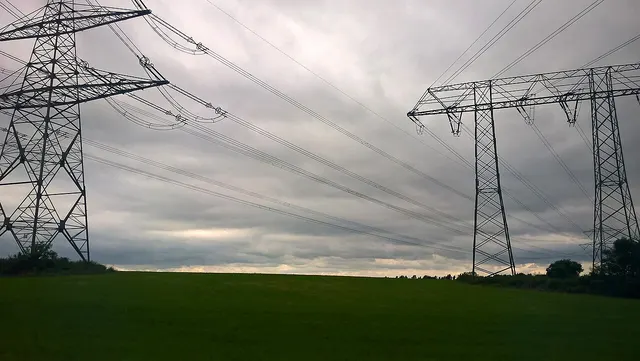
The grid can't store power, so when supply falls short, operators cut some circuits. How they choose which, and why it rotates. Read More ›