What a Celebrity Publicist Actually Does — And Where It Differs From Journalism
An explainer on the day-to-day work of celebrity publicists, how earned media differs from advertising, and why publicists and journalists sit on opposite sides of a story.
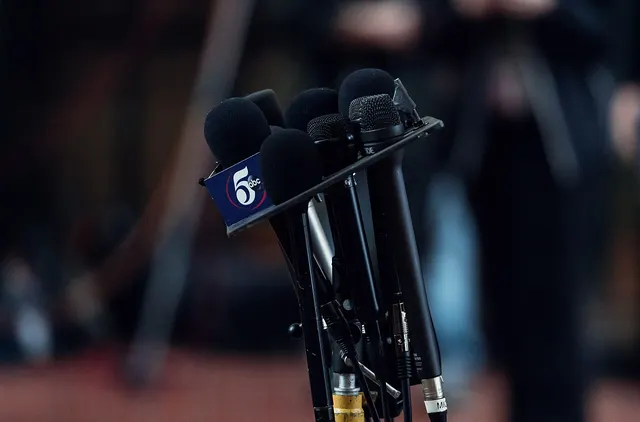

Every time a celebrity gives a carefully timed magazine interview, sits for a talk-show appearance days before a film opens, or stays conspicuously silent on a controversy, there is usually a publicist behind the decision. Publicists are one of the least visible but most influential roles in the entertainment industry, and their job is frequently confused with journalism — even though the two sit on opposite sides of the same conversation, one paid to shape a story and the other paid to report it independently.
The core job: earned media, not advertising
A publicist’s fundamental task is winning “earned” media coverage rather than paying for exposure. As one industry guide to celebrity PR puts it, “advertising is you telling people you’re great. Public relations is having a respected journalist… tell people you’re great,” a distinction described by Leverage PR’s overview of celebrity public relations. That difference is the whole point of the profession: a paid ad is obviously self-interested, but a favorable magazine profile or news segment carries the credibility of an independent outlet choosing to cover the story — which is exactly why publicists work so hard to place it.
What the day-to-day work looks like
In practice, that means a publicist spends much of their time pitching story angles to journalists, producers and editors, fielding incoming interview requests, and coaching clients on how to handle press appearances — a combination of tasks a career guide from Mediabistro describes as building and protecting a client’s public narrative. Much of it is relationship management: publicists maintain ongoing contacts across newsrooms and production companies so that when a client has something to promote — a film release, an album, a tour — there’s already a channel to pitch it through. The same relationships also do defensive work, allowing a publicist to get ahead of unflattering coverage, provide a statement quickly, or in some cases discourage a story from running at all by offering an outlet a different, more favorable angle in exchange.
Where the conflict of interest lives
This is also precisely where publicists and journalists structurally diverge. A journalist’s job is to report a story regardless of whether it flatters the subject, verifying claims independently and disclosing sources and conflicts. A publicist’s job is to advocate for one side — their client — and their income depends on that client’s public image, not on the accuracy or completeness of any single story. Neither role is illegitimate, but conflating the two is a mistake outlets try to guard against: reputable newsrooms distinguish between a press release or a publicist-arranged interview (where the subject and their team control access and often approve questions in advance) and independently reported journalism (where they don’t). Access journalism — coverage that depends on maintaining good relations with publicists to keep getting interviews — is a recognized tension in entertainment reporting precisely because it can blur that line.
Crisis work is part of the job, not separate from it
Because a publicist’s core function is managing perception, monitoring for negative coverage and being ready to respond is treated as a routine part of the role rather than a specialized add-on, according to the Leverage PR breakdown. That can mean drafting a statement, arranging a sympathetic interview to address an issue directly, or simply advising a client to say nothing and let a story pass — all judgment calls made in the client’s interest, which is a different mandate entirely from a reporter’s obligation to the audience.
The takeaway
A publicist and a journalist can work together constantly — pitching, interviewing, negotiating access — without ever having the same job. The publicist is paid to get a favorable, credible-seeming story told; the journalist’s value depends on not simply telling whatever story they’re pitched. Recognizing which role produced a given piece of celebrity coverage is often the single most useful piece of media literacy a reader can apply to entertainment news.
Much of that work exists to protect something commercially valuable — see how celebrity endorsement deals are structured and how image rights work by country.